OPZELURA is a prescription medicine used on the skin (topical) for the treatment of a type of vitiligo called nonsegmental vitiligo in adults and
children 12 years of age and older.

REPIGMENTATION:
REIMAGINE
WHAT’S POSSIBLE
It's time to restore what's yours.


Sam’s Results with OPZELURA
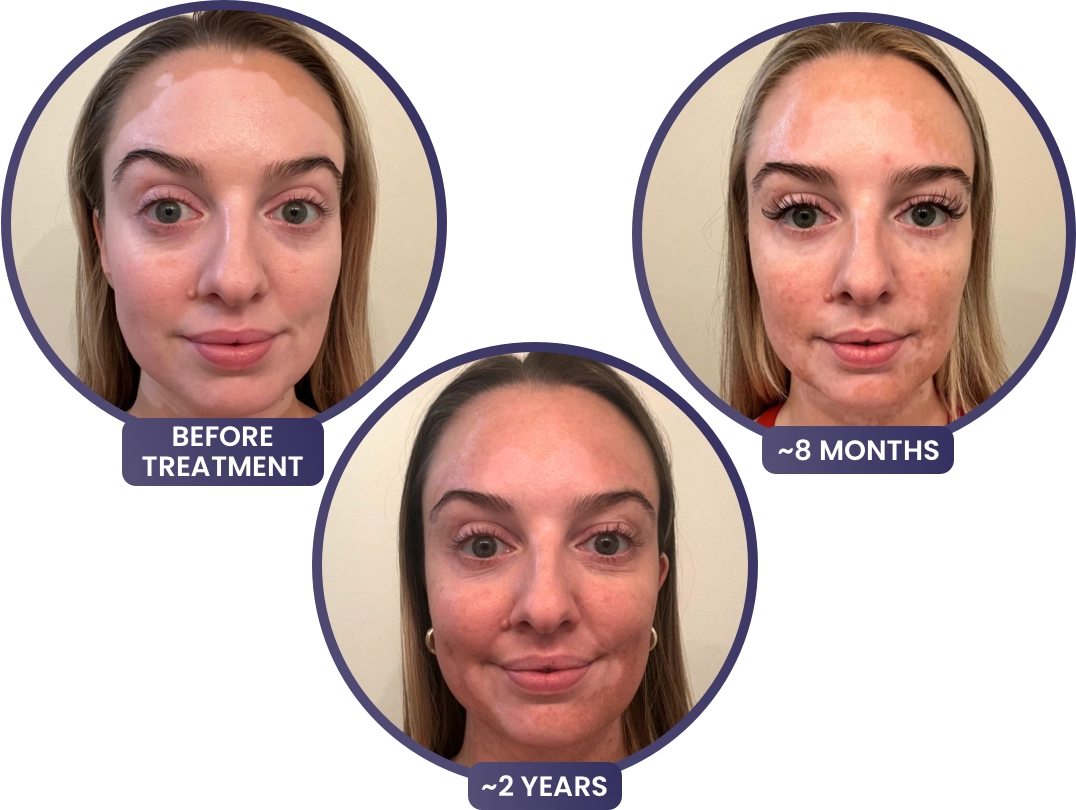
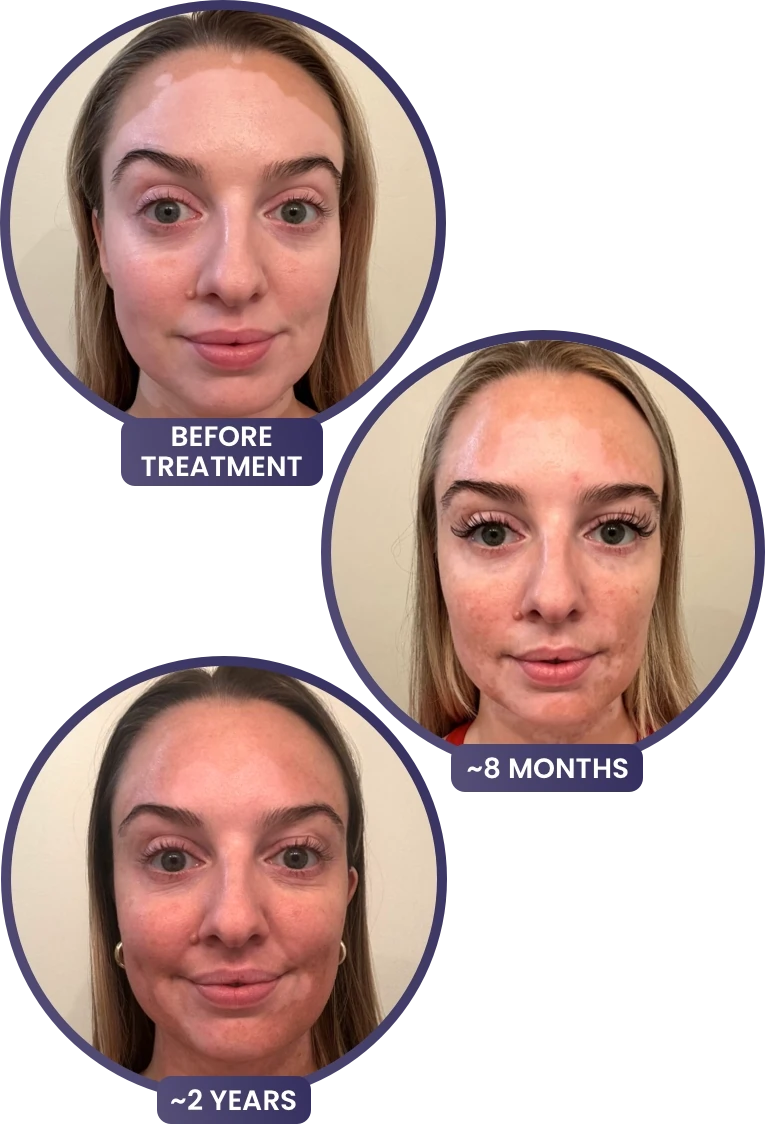
Sam was not a clinical trial participant. Results may vary. Results not typical.
What is OPZELURA?
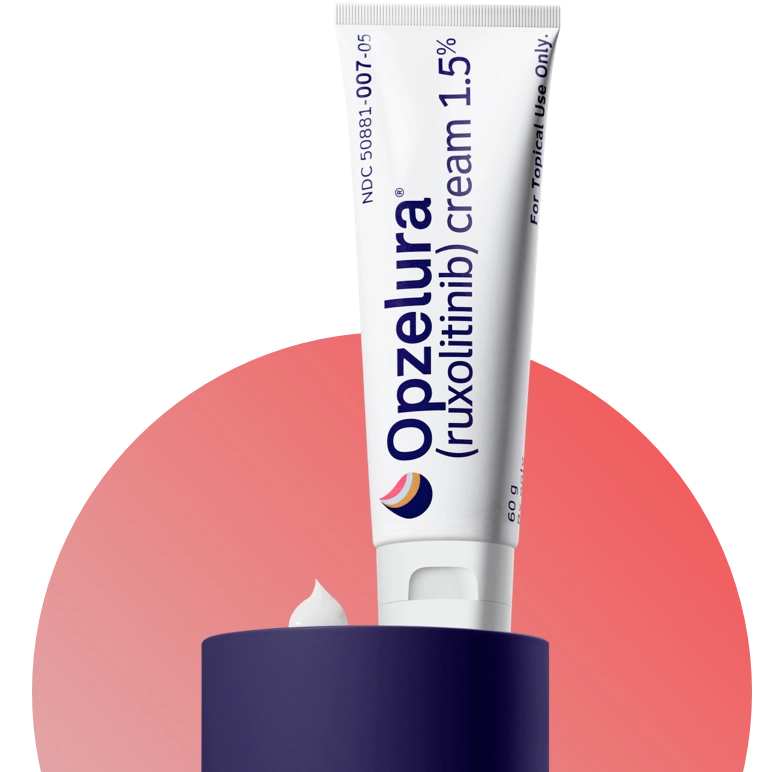
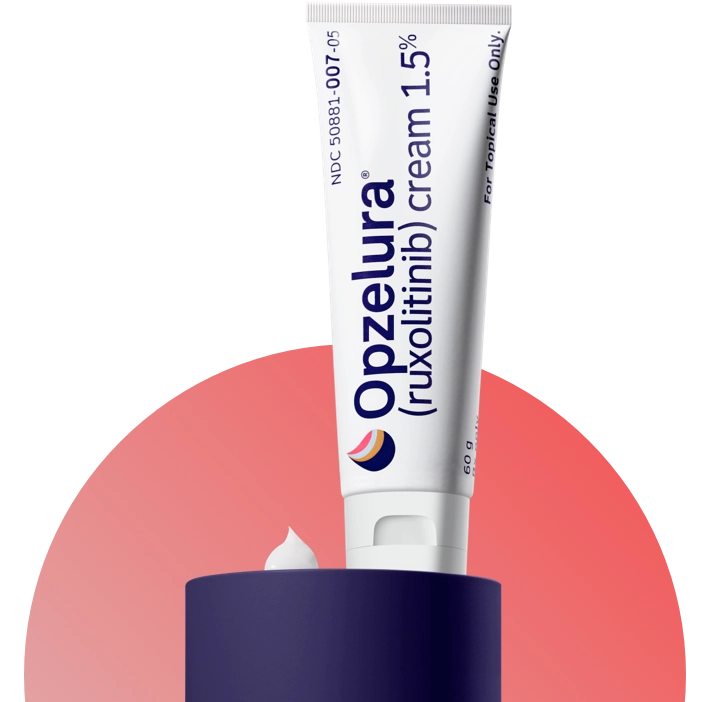
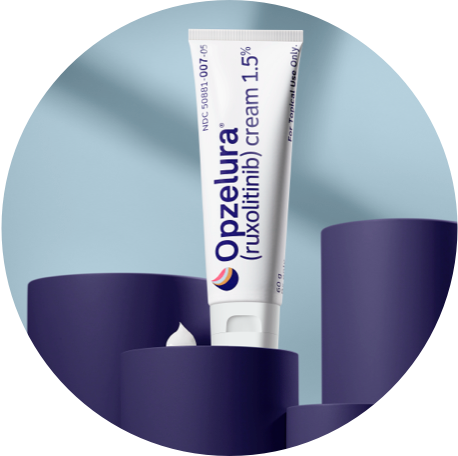
OPZELURA is the first-ever prescription treatment approved by the FDA for vitiligo repigmentation (restoring the skin's color). It's a steroid-free topical cream that you can apply yourself.
OPZELURA is for use on the skin only. Do not use in your eyes, mouth, or vagina.
The proof is in the pigment! Find out what OPZELURA
could do for your vitiligo.
The proof is in the pigment! Find out what
OPZELURA could do for your vitiligo.
The proof is in the pigment!
Find out what OPZELURA
could do for your vitiligo.


"WAIT, SOMETHING'S DIFFERENT"
I was like, 'Wait, something’s different about your legs and your arms.’ And I started documenting and taking pictures and just keeping track every couple of weeks.
• Natasha, mom of an OPZELURA patient, was compensated for her time.
Proven to help restore some of your pigment
In clinical studies, OPZELURA was proven to help restore the skin's color on your face over time. The results below show improvement in a score that measured vitiligo areas on the face. Individual results may vary. OPZELURA is not for everyone.

At 6 months, about one third of patients saw 75% improvement.
- 75% improvement to vitiligo areas on the face was achieved at 6 months in 29.9% of patients using OPZELURA in 2 separate studies compared with 7.5% and 12.9% of patients using a non-medicated cream
At 1 year, about half of participants saw 75% improvement.
- 75% improvement to vitiligo areas on the face was achieved at 1 year in 51% of patients out of 356 who continued using OPZELURA in a less robust part of the study

At 2 years, two-thirds of participants saw 75% improvement.
- 75% improvement to vitiligo areas on the face was achieved at 2 years in 66.1% of patients out of 177 who had not reached complete or almost complete facial repigmentation after using OPZELURA for 1 year and who continued to use OPZELURA for an additional year in an even less robust part of the study
Talk to a provider from the comfort of your home!
Incyte has engaged Populus, a telehealth marketplace that connects you with a board-certified dermatologist, so you can get more information about vitiligo and to see if OPZELURA is right for you. All you have to do is answer a short questionnaire!
To make the process even smoother, make sure you have these items on hand:
- photos of your affected skin
- a government-issued ID
- an electronic form of payment for the $30 consultation fee




Learn about copay savings
ELIGIBLE* PATIENTS WITH COMMERCIAL INSURANCE MAY PAY AS LITTLE AS $0 PER TUBE FOR OPZELURA.
See if you qualify for the OPZELURA Copay Savings Card today.
*Eligibility required. For use only with commercial prescription insurance. The card may not be used if the patient is enrolled in a government-funded prescription insurance program or if they pay cash for their prescription. Individual out-of-pocket cost may vary. Maximum benefits per tube and per calendar year apply. Must be used for an FDA-approved indication. Additional Terms and Conditions apply.
IMPORTANT SAFETY INFORMATION AND INDICATION
INDICATION AND USAGE
OPZELURA is a prescription medicine used on the skin (topical) for:
- the treatment of a type of vitiligo called nonsegmental vitiligo in adults and children 12 years of age and older
The use of OPZELURA along with therapeutic biologics, other JAK inhibitors, or strong immunosuppressants such as azathioprine or cyclosporine is not recommended.
IMPORTANT SAFETY INFORMATION
OPZELURA is for use on the skin only. Do not use OPZELURA in your eyes, mouth, or vagina.
OPZELURA may cause serious side effects, including:
Serious Infections: OPZELURA contains ruxolitinib. Ruxolitinib belongs to a class of medicines called Janus kinase (JAK) inhibitors, which are medicines that affect your immune system and can lower your ability to fight infections. Some people have had serious infections while taking JAK inhibitors by mouth, including tuberculosis (TB), and infections caused by bacteria, fungi, or viruses that can spread throughout the body. Some people have been hospitalized or died from these infections. Some people have had serious infections of their lungs while using OPZELURA. Your healthcare provider should watch you closely for signs and symptoms of TB during treatment with OPZELURA.
OPZELURA should not be used in people with an active, serious infection, including localized infections. You should not start using OPZELURA if you have any kind of infection unless your healthcare provider tells you it is okay. You may be at a higher risk of developing shingles (herpes zoster) while using OPZELURA.
Increased risk of death due to any reason (all causes) and major cardiovascular events: Increased risk of death and major cardiovascular events (eg, heart attack or stroke) has happened in people 50 years of age and older who have at least 1 heart disease (cardiovascular) risk factor and are taking JAK inhibitors by mouth, especially current or past smokers.
Cancer and immune system problems: OPZELURA may increase your risk of certain cancers by changing the way your immune system works. People taking JAK inhibitors by mouth have reported lymphoma and other cancers and are at higher risk of certain cancers including lymphoma and lung cancer, especially if they have ever smoked. Some people have had skin cancers while using OPZELURA. Your healthcare provider will regularly check your skin during your treatment. Limit the amount of time you spend in the sun, wear protective clothing and use a broad-spectrum sunscreen.
Blood clots: Blood clots in the veins of your legs (deep vein thrombosis, DVT) or lungs (pulmonary embolism, PE) can happen in some people taking OPZELURA. This may be life-threatening. DVT and PE have happened more often in people taking JAK inhibitors by mouth who are 50 years of age and older and with at least 1 heart disease (cardiovascular) risk factor.
Low blood cell counts: OPZELURA may cause low platelet counts (thrombocytopenia), low red blood cell counts (anemia), and low white blood cell counts (neutropenia, lymphopenia, leukopenia). Your healthcare provider may do a blood test to check your blood cell counts during your treatment and may stop your treatment if signs or symptoms of low blood cell counts happen.
Potential risks from Janus kinase (JAK) inhibition: Cholesterol increase has happened in people when ruxolitinib is taken by mouth. Tell your healthcare provider if you have high cholesterol or triglycerides. Low blood sugar in people with diabetes has happened after taking JAK inhibitors by mouth.
Before starting OPZELURA, tell your healthcare provider if you:
- have an infection, are being treated for one, or have had an infection that does not go away or keeps coming back
- have diabetes, chronic lung disease, HIV, or a weak immune system
- have TB or have been in close contact with someone with TB
- have had shingles (herpes zoster)
- have or have had hepatitis B or C
- live, have lived in, or have traveled to certain parts of the country (such as the Ohio and Mississippi River valleys and the Southwest) where there is an increased chance for getting certain kinds of fungal infections. These infections may happen or become more severe if you use OPZELURA. Ask your healthcare provider if you do not know if you have lived in an area where these infections are common
- think you have an infection or have symptoms of an infection such as: fever, sweating, or chills, muscle aches, cough or shortness of breath, blood in your phlegm, weight loss, warm, red, or painful skin or sores on your body, diarrhea or stomach pain, burning when you urinate or urinating more often than usual, feeling very tired
- have ever had any type of cancer, or are a current or past smoker
- have had a heart attack, other heart problems, or a stroke
- have had blood clots in the veins of your legs or lungs in the past
- have or have had low white or red blood cell counts
- are pregnant or plan to become pregnant. It is not known if OPZELURA will harm your unborn baby. If you become exposed to OPZELURA during pregnancy, you and your healthcare provider should report exposure to Incyte Corporation at 1-855-463-3463 or www.opzelura.pregnancy.incyte.com. This registry is intended to collect information about the health of you and your baby
- are breastfeeding or plan to breastfeed. It is not known if OPZELURA passes into your breast milk. Do not breastfeed during treatment with OPZELURA and for about 4 weeks after the last dose
After starting OPZELURA:
- Call your healthcare provider right away if you have any symptoms of an infection. OPZELURA can make you more likely to get infections or make worse any infections that you have.
- Get emergency help right away if you have any symptoms of a heart attack, blood clot, or stroke while using OPZELURA, including:
- discomfort in the center of your chest that lasts for more than a few minutes, or that goes away and comes back
- severe tightness, pain, pressure, or heaviness in your chest, throat, neck, or jaw
- pain or discomfort in your arms, back, neck, jaw, or stomach
- shortness of breath with or without chest discomfort
- breaking out in a cold sweat
- nausea or vomiting
- feeling lightheaded
- weakness in one part or on one side of your body
- slurred speech
- swelling, pain, or tenderness in one or both legs
- Tell your healthcare provider right away if you develop or have worsening of any symptoms of low blood cell counts, such as: unusual bleeding, bruising, tiredness, shortness of breath, or fever.
Tell your healthcare provider about all the medicines you take, including prescription and over-the-counter medicines, vitamins, and herbal supplements.
The most common side effects of OPZELURA in people treated for nonsegmental vitiligo include: acne at the application site, itching at the application site, common cold (nasopharyngitis), headache, urinary tract infection, redness at the application site, and fever.
These are not all of the possible side effects of OPZELURA. Call your doctor for medical advice about side effects. You may report side effects to FDA at 1-800-FDA-1088. You may also report side effects to Incyte Corporation at 1-855-463-3463.
Please see the Full Prescribing Information, including Boxed Warning, and Medication Guide for OPZELURA.
.